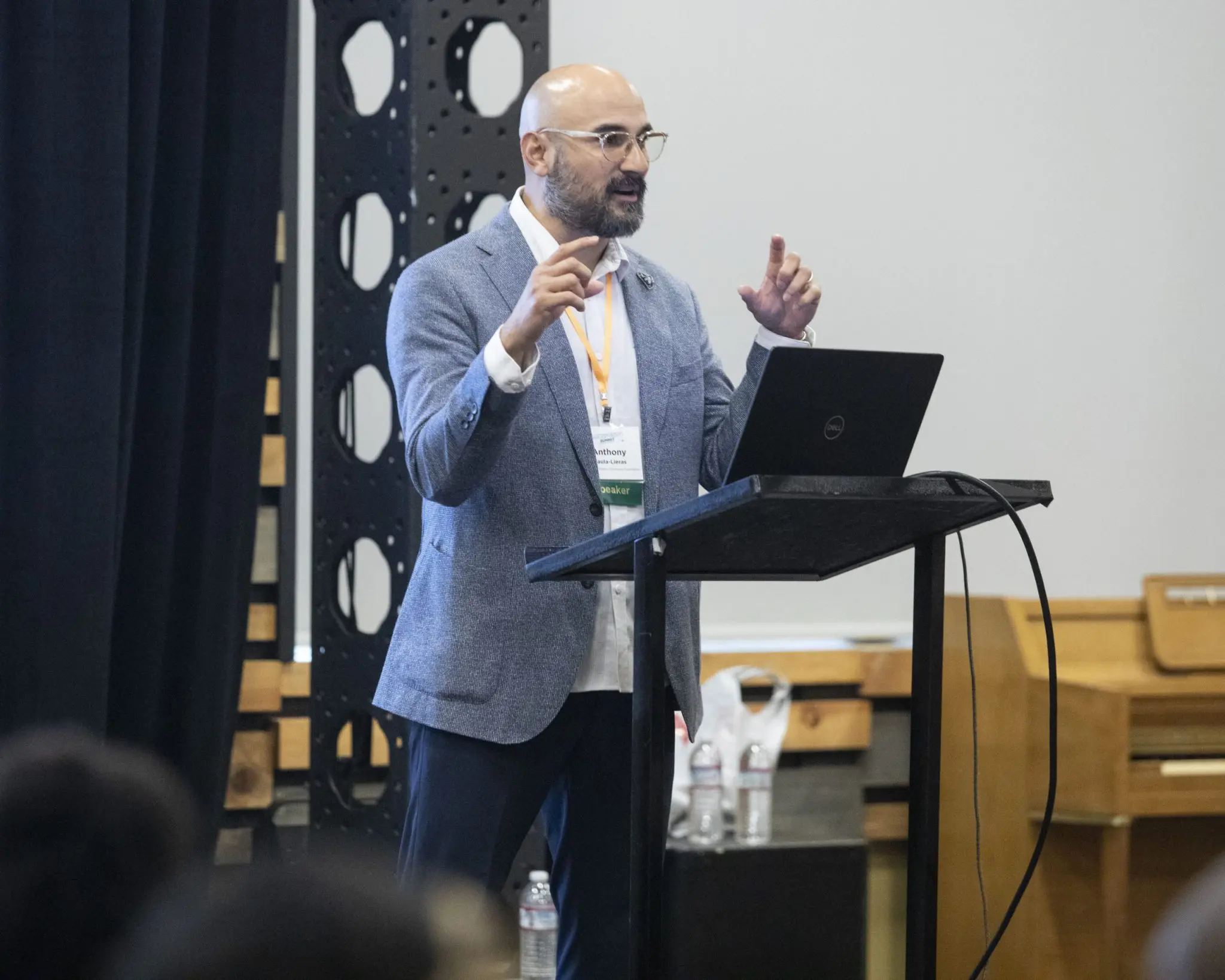
At our recent Philanthropy Summit, my colleague, Niva, and I tackled a critical issue facing philanthropy today: Diversity, Equity, and Inclusion (DEI) is under attack. From stories to strategic policies, such as recent cases targeting initiatives like the Freedom Fund, opposition to DEI efforts is stalling progress at a time when deeper investments in equity are critically needed.
This chilling effect is evident in the numbers. Of the $16.5 billion pledged to DEI initiatives in 2020, only $3.4 billion has materialized to date, according to some sources — a stark regression from the commitments to equity and racial justice that many organizations claimed to champion. At this pivotal moment, philanthropy must confront these challenges head-on by rooting its practices in belonging.
Leaders like john powell and Angela Glover Blackwell offer a compelling framework to guide this work, rooted in the concepts of belonging and othering. As powell reminds us, “Belonging asks each of us to commit to co-creating new structures built for everyone.” This vision requires philanthropic leaders to recognize collective responsibility in tackling complex, multigenerational, and intersectional challenges. It requires philanthropic leaders to recognize that sustainable solutions require everyone’s participation: Together, we must share power, value the voices of those closest to challenges, and foster learning, listening, and co-designed solutions.
In our Philanthropy Summit session, Niva and I emphasized that we cannot address challenges if we make investments that exclude the people we are trying to serve. By addressing othering — a process that dehumanizes or excludes people who have a lot to bring to the decision-making table — philanthropists can move toward belonging. That means we can acknowledge our shared relationships with one another and ensure everyone is a part of the system and contributes to shaping solutions.
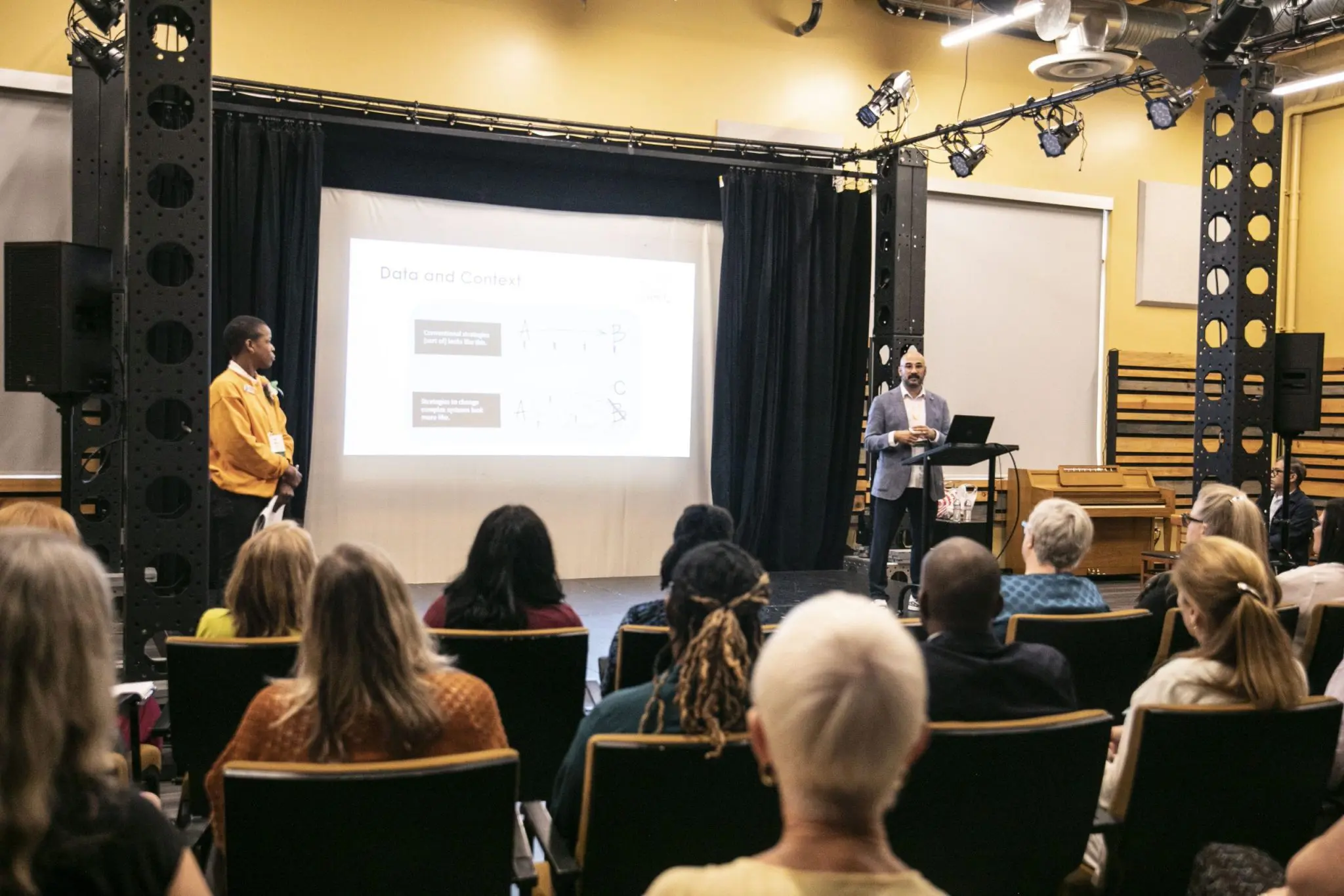
Speaking to attendees of the Philanthropy Summit
We shared the example of the Sacramento Region Community Foundation’s work during the 2020 Census. By co-designing efforts with community members, our partnerships helped achieve participation rates that were among the highest in the state. This success demonstrates the power of engaging those closest to challenges, supported by local government and philanthropy, in crafting effective solutions.
As DEI efforts face unprecedented resistance, the call to action for philanthropists is clear: We must embrace belonging. By authentically investing in communities — not just meeting basic needs but fostering creativity and connection — philanthropy can help people and communities thrive.
In closing our session, Niva and I urged attendees to approach their philanthropy with authenticity, honor the inherent value of communities, and share resources and power. Together, we can co-create a future where everyone belongs, and equity is not just a promise but a reality.