
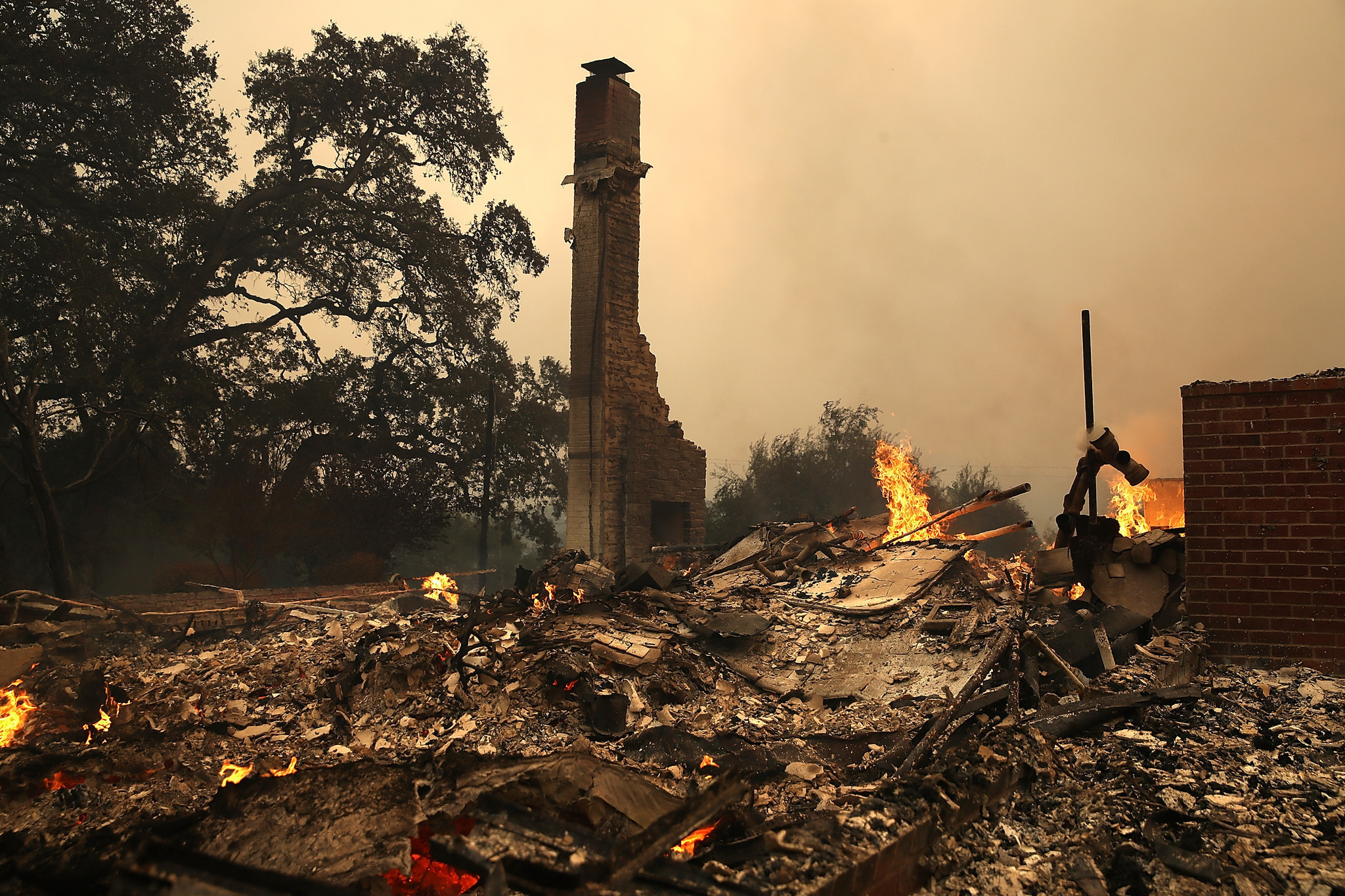
I can’t imagine the devastation of surviving a disaster. But I do know what it feels like to respond and offer support during one. My years working and volunteering with United Animal Nations (now RedRover) taught me that my first response is often to cry—lives will be horribly changed forever. My second response is always to help.
Last week, I attended an excellent funder briefing hosted by Philanthropy California on the overwhelming wildfires in Southern California. The incredible collaboration among responders and funders gave me hope. The Office of Emergency Services grounded the conversation by reminding us that disaster response operates on two fronts: response and recovery. While response efforts are critical in the immediate aftermath, recovery requires persistence and sustained attention.
When I think back to responding to Hurricane Katrina in New Orleans in 2005 — setting up temporary shelters for pets — I remember the widespread devastation. The exhaustion on people’s faces. The lack of hope. The removal of debris, rebuilding of infrastructure, and eventual repopulation took years — decades, even — and many families and neighborhoods were never the same. I have similar memories of communities ravaged by tornadoes, fires, and man-made disasters.
Nothing about the post-disaster process is quick. It’s slow, painful, frustrating, and mired in red tape. From the outside looking in, graphic photos of disasters can numb us or cause pain — but they can also inspire action. I want to thank donors across the U.S. and beyond who have given to meet the immediate needs of affected families in Los Angeles. Here in the Sacramento region, dozens of fundholders at the Sacramento Region Community Foundation have made gifts from their Donor Advised Funds to nonprofits directly supporting residents in Southern California. Some donors shared personal ties to the region; others were moved by the sheer magnitude of the disaster. Response is critical, but no single agency, neighborhood, or community can shoulder the burden alone.
As we shift to recovery, the journey ahead for displaced families will likely be long and challenging. Thankfully, philanthropy plays a unique and complementary role in disaster response. Unlike government efforts, philanthropy is nimble, creative, and able to quickly address emerging needs. Philanthropic dollars can fund collaborations and collect firsthand insights tied to the disaster. Most importantly, philanthropy provides persistence—a critical element in building resilience.
Resources for Supporting Recovery in Southern California
Here are a few resources shared by local LA nonprofits during the recent webinar hosted by Philanthropy California:
- Philanthropy California’s Disaster Response Vetted Funds List
- California Community Foundation’s Wildfire Recovery Fund
- Pasadena Community Foundation’s Eton Fire Relief & Recovery Fund
- United Way of Los Angeles’s Wildfire Response Resources
- Latino Community Foundation’s Wildfire Relief Fund & Just Recovery Partnership
- National Day Laborer Organizing Network Immigrant Fire Relief Fund
- Inclusive Action for the City’s Open Air Worker Emergency Fund
- Emergency Network of Los Angeles
How You Can Help
Whether you sign up to volunteer now or later, give a gift today or pledge to donate monthly for the next two years — thank you. Whether you share resources, open your home to a displaced family, lend an ear to someone affected, adopt a displaced animal, thank a first responder, or simply make a social media post to raise awareness — thank you for taking action.
Disasters feel overwhelming. I often feel lost when deciding how to help, but the best advice I can offer is to take any first step. Find an organization doing great work and support them. You don’t need to be a millionaire to make a difference. Trust the nonprofit you choose to use your donation wisely — they will.
I’m grateful for the containment of the main fires in Southern California. While many feel a collective sigh of relief, I know the next several years will be a long and difficult journey for survivors of this tragedy. Take the energy you felt in the days following the outbreak of the fires and revive it to help create the collective change needed to build resilience in Southern California.


