

The work of the Sacramento SPCA has ripple effects that are hard to measure. Known mostly as a shelter that connects adoptable animals to new homes, the local chapter of the Society for the Prevention of Cruelty to Animals does significant prevention work to ease the region’s overburdened animal care system.
Since 2007, the Sacramento SPCA has spayed and neutered more than 300,000 animals. In 2021, they opened the Zoe K. McCrea Animal Health Center to help meet the surgery and vaccination needs of their own shelter, as well as rescue organizations, shelter partners, and the public.
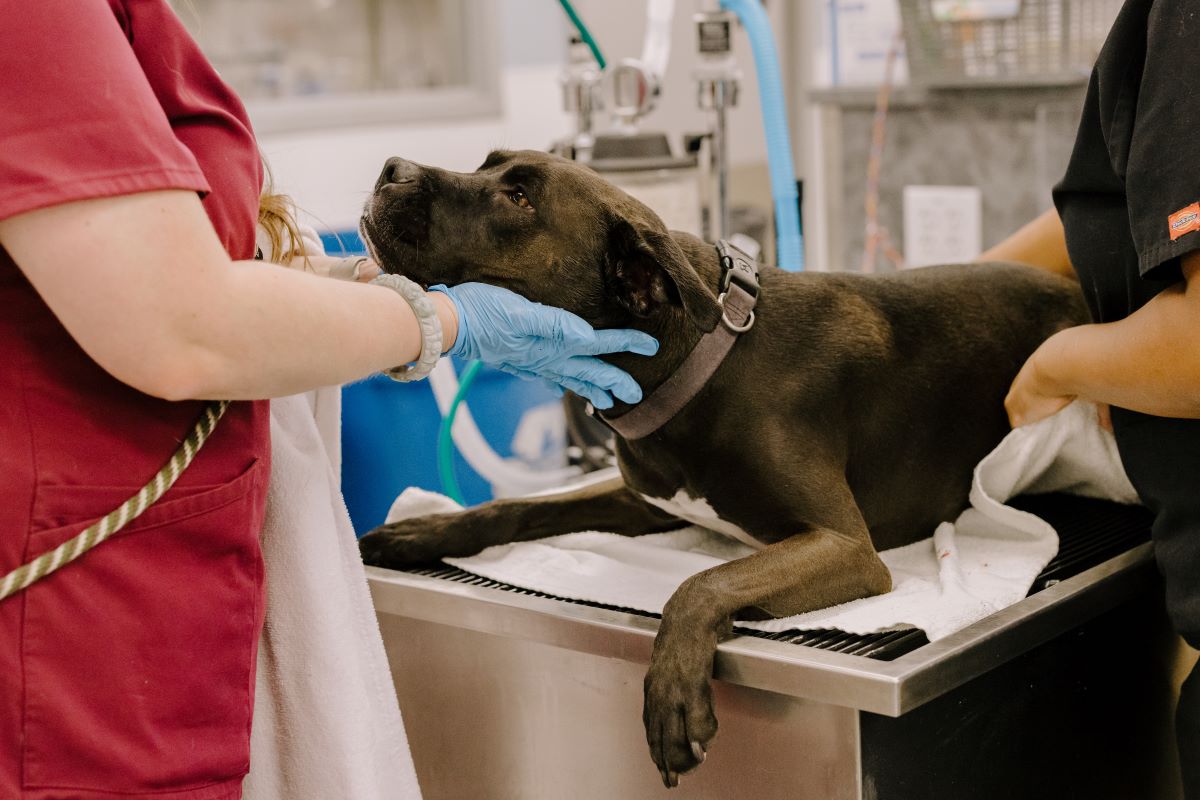
“We’re proud to be able to alter 20,000 animals annually,” said Dawn Foster, director of marketing and communications for Sacramento SPCA. “[It] makes a significant impact to those animals and the organizations that are helping those animals.”
Through the summer education program, Camp Kindness, children learn how to properly engage with animals and read their body language. In 2022, the organization expanded its education outreach to include a new topic: emergency preparedness for pets.
Sacramento SPCA was one of six local nonprofits that developed and distributed disaster preparedness materials with the support of Listos California, Spanish for “Ready California.” This collaboration was facilitated by the Sacramento Region Community Foundation, with funding from the California Governor’s Office of Emergency Services and the League of California Community Foundations.
The Sacramento SPCA purchased emergency go-kits for dogs and cats, complete with three days’ worth of food and water, a leash, blanket, and other necessities. During outreach and education events, people who participated in a survey about their emergency preparedness were entered into a raffle to win the go-kits for their own pets.
Foster said partnerships like this help Sacramento SPCA support the animals, and those responsible for their well-being. As the region’s only owner-surrender shelter site, her staff regularly works with people in crisis.
“We need to have as much compassion for the people that arrive at our doors as the animals,” she said.