
When young people succeed in school, their confidence grows and their futures open. But in our region’s North Sacramento and Del Paso Heights neighborhoods, many young people don’t have the same access to quality education and support that students in other areas can count on. Over time, those gaps ripple out to families and communities.
That’s why this work is part of our shared, ongoing effort to build a healthier, more equitable region. And good work starts with listening. The Sacramento Region Community Foundation teamed up with Mutual Assistance Network (MAN) last year to understand what youth and families in Sacramento’s North Sacramento and Del Paso Heights neighborhoods need to succeed in school and life.
From July through October 2025, 163 youth, parents, and community partners provided their insights through surveys and community events. What emerged was a clear, collective voice.
The Big Finding
When asked what age group should receive priority for improving youth outcomes, respondents across all three groups — youth, parents, and community partners — landed on the same answer of ages 12 to 18. In fact, sixty-one percent of participants pointed to this age range, and it wasn’t a close call. As one community member put it simply: “This is the best age for them to soak in all information to make them a better individual.”
What Youth Actually Want
When asked about the biggest threats to their health and safety, youth provided candid and sobering answers. Violence, gangs, and drugs topped the list at 23% of responses. Distractions — phones, social media, “worrying about the wrong things” — came in at 16%. School itself was identified as a stressor by 12% of youth.
When youth were asked to design their ideal support program from scratch, three themes dominated:
- Sports and physical activity (30%), with young people calling for diverse athletic options: “Every single sport so kids could get to try new things.”
- Academic support (17%), like tutoring, college prep, career guidance. One youth wrote: “A program that helps kids get into college.” Another said: “We need more tutoring, after school programs, mental health help, and career or college guidance. Helping students early and showing them they can succeed will make a big difference.”
- Food (13%), both as a practical need and as a way to make programs feel welcoming rather than clinical. “Free clothes and free food and free everything” might read as a wish list, but it reflects real material insecurity/barriers for families showing up to a youth program.
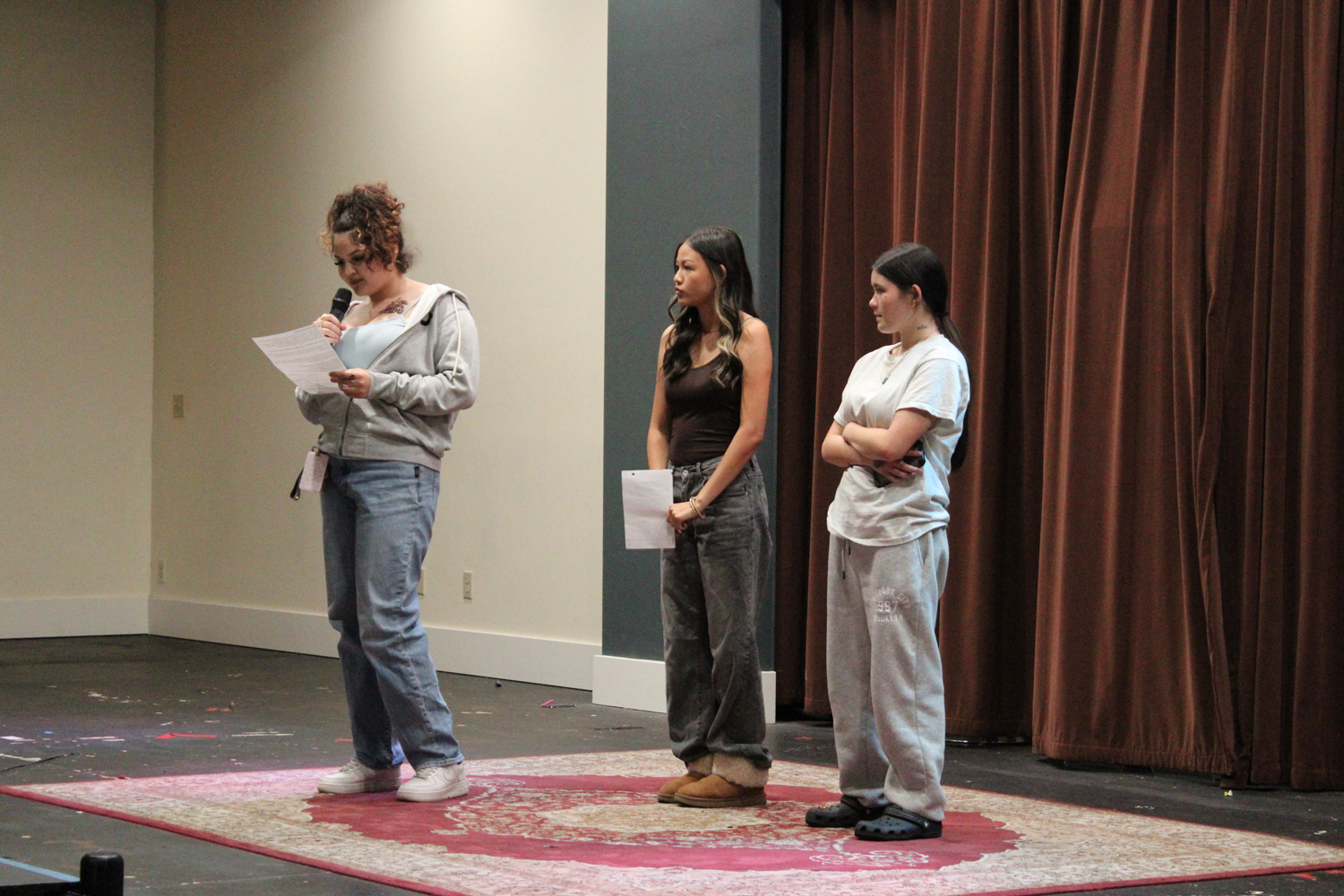
This community listening process culminated in a Town Hall event last fall. The roundtable conversations helped translate the survey data into a concrete direction:
- Invest in programs that already work. Existing youth programs that are trusted by the community need unrestricted funding to grow.
- Make programs safe and accessible. Afterschool spaces should be accessible, welcoming, and equipped with the basics, including meals, mentors, and a vibe that is culturally responsive and supportive.
- Support the whole family. Parent engagement workshops, systems navigation support, and trauma-informed family programming are central to student success.
Looking Ahead
This community knows what it needs, and listening is only the first step. The real work is making sure these findings shape where resources go in the future. That’s where you come in. When funders and donors give based on what a community actually says it needs, generosity goes further and lasts longer. Every gift helps turn these insights into opportunities for local kids to thrive.
Here at the Sacramento Region Community Foundation, we’ve revised our Neighborhood Fund grant criteria to reflect what we heard, and we’re developing new funding initiatives based on these findings. We’ll keep you updated as that work takes shape.
Make Your Impact
Support efforts like this with a gift to the Impact Fund. You can also join the Impact Collaborative, a network of people who care about this community and want to make a difference alongside others who feel the same.