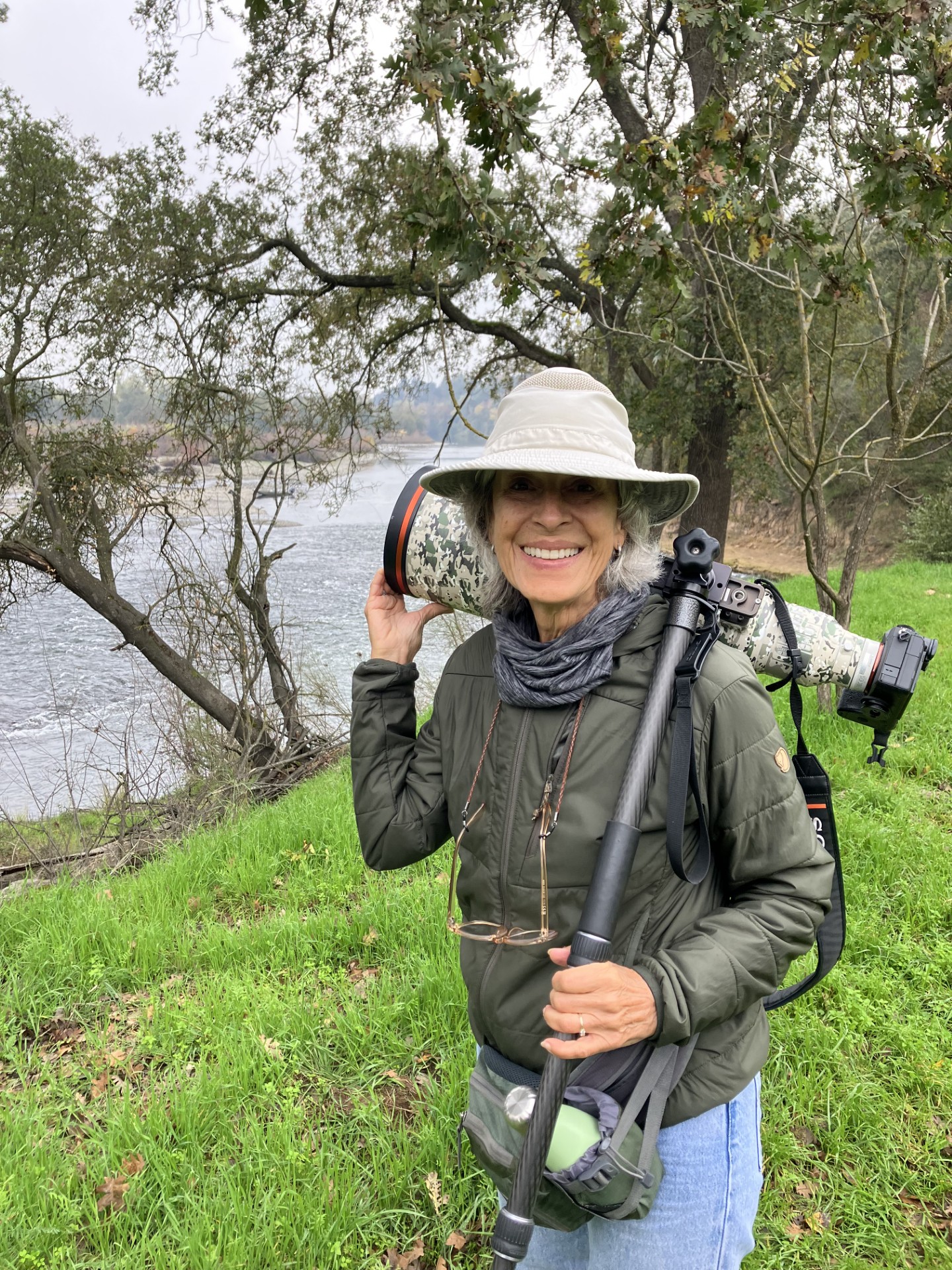
Local photographer Michele McCormick found her way to the Sacramento Region Community Foundation almost twenty years ago, through friends who served on the Foundation’s Board of Directors.
That early connection eventually grew into a serious conversation with her husband about supporting the causes closest to their hearts through their estate plan. The two built a plan to support the causes the couple cared most about, including Lassen Volcanic National Park, the Yolo Bypass Wildlife Area, the American River Parkway, and the UC Davis veterinary clinic. Michele established a Donor Advised Fund to support giving during her lifetime, and took the additional step of outlining her planned giving intention in a memorandum that she reviews with our team every few years.
Michele has since lost both of her parents and her husband, in close succession. She spoke with us about what those experiences taught her, and why she now encourages each of her friends to get their affairs in order long before they think they need to.
How can the logistics after a loss teach people to prepare?
Michele says the practical side of loss is often what catches people off guard. Know where every password lives, she advises, even if your spouse normally handles the finances. And know that money held jointly, or inside a trust, can be frozen for months while an estate is settled. She recommends keeping some funds in your name only so you’re never without access to funds for basic living expenses during that window, which can be three to six months or even longer.
Beyond finances, what do people overlook?
Michele points to the small, practical knowledge that keeps a household running, such as finding the water main switch, turning the irrigation system on and off, and knowing who to call when the air conditioning suddenly fails in Sacramento’s triple-digit summer heat. She also learned the value of planning ahead for funeral arrangements. When her husband died unexpectedly, nothing had been arranged in advance. Her mother, by contrast, had pre-purchased her own cremation package and left Michele able to handle everything with just one phone call.
What’s one small step someone could take this week?
Simply start the conversation with a loved one by asking the questions, “What is important to you? What are the things you want to support going forward?” Michele adds that some people will answer clearly, others won’t, and that’s all right. When her husband passed, she chose to honor him with an endowed fund at the Foundation rather than a memorial bench, because a fund keeps supporting the causes he loved every year, in perpetuity, rather than marking a single moment in time. When her mother died without having voiced specific wishes, Michele made her decision by looking at how her mother had lived. She chose to honor her mother’s Mississippi roots and her love of music by supporting a performing arts center in her mother’s name.
What would you tell a friend who is hesitant to start?
Michele is direct, ”The main thing is to just to do it.”
She’s watched a cousin widowed unexpectedly at 29, with no plans of any kind in place. That reinforced something she now tells everyone: stuff happens, nobody lives forever, and waiting for the “right” time to have these conversations only makes an already painful moment harder.
For Michele, having a plan in place has offered a source of comfort. It has offered her one less thing to carry when everything else has felt uncertain or heavy with grief. If you haven’t yet talked with your family about your wishes or included your Sacramento Region Community Foundation fund in your estate plans, Michele’s story is a gentle nudge. The conversation is easier to have now than later.